What's in this collection
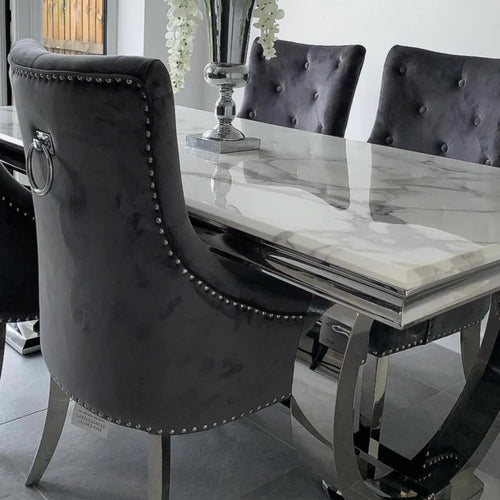
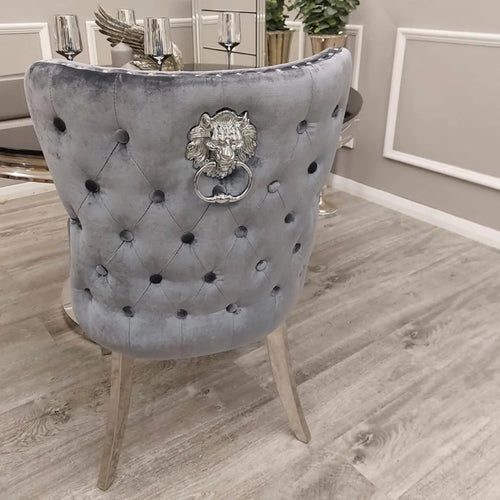
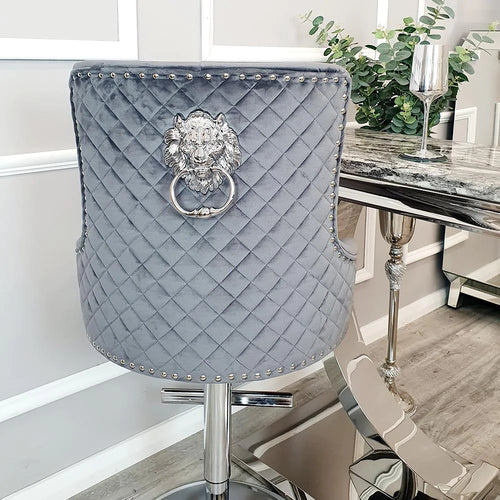
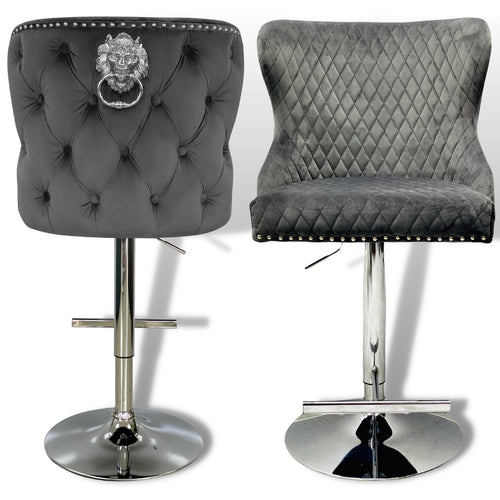
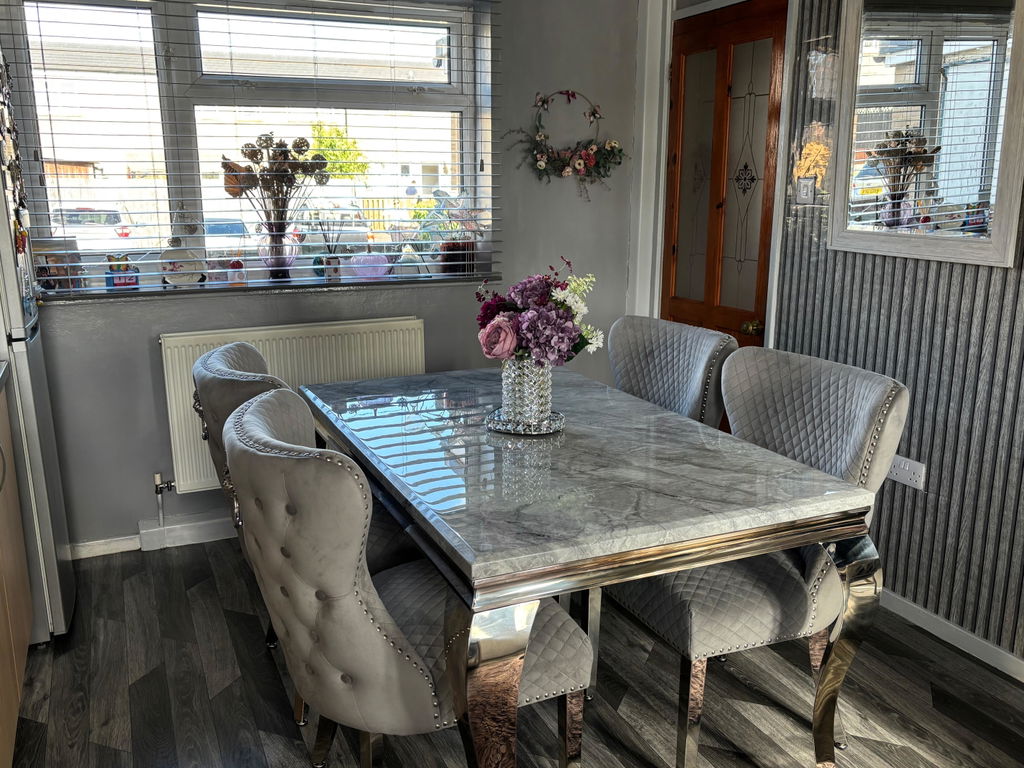
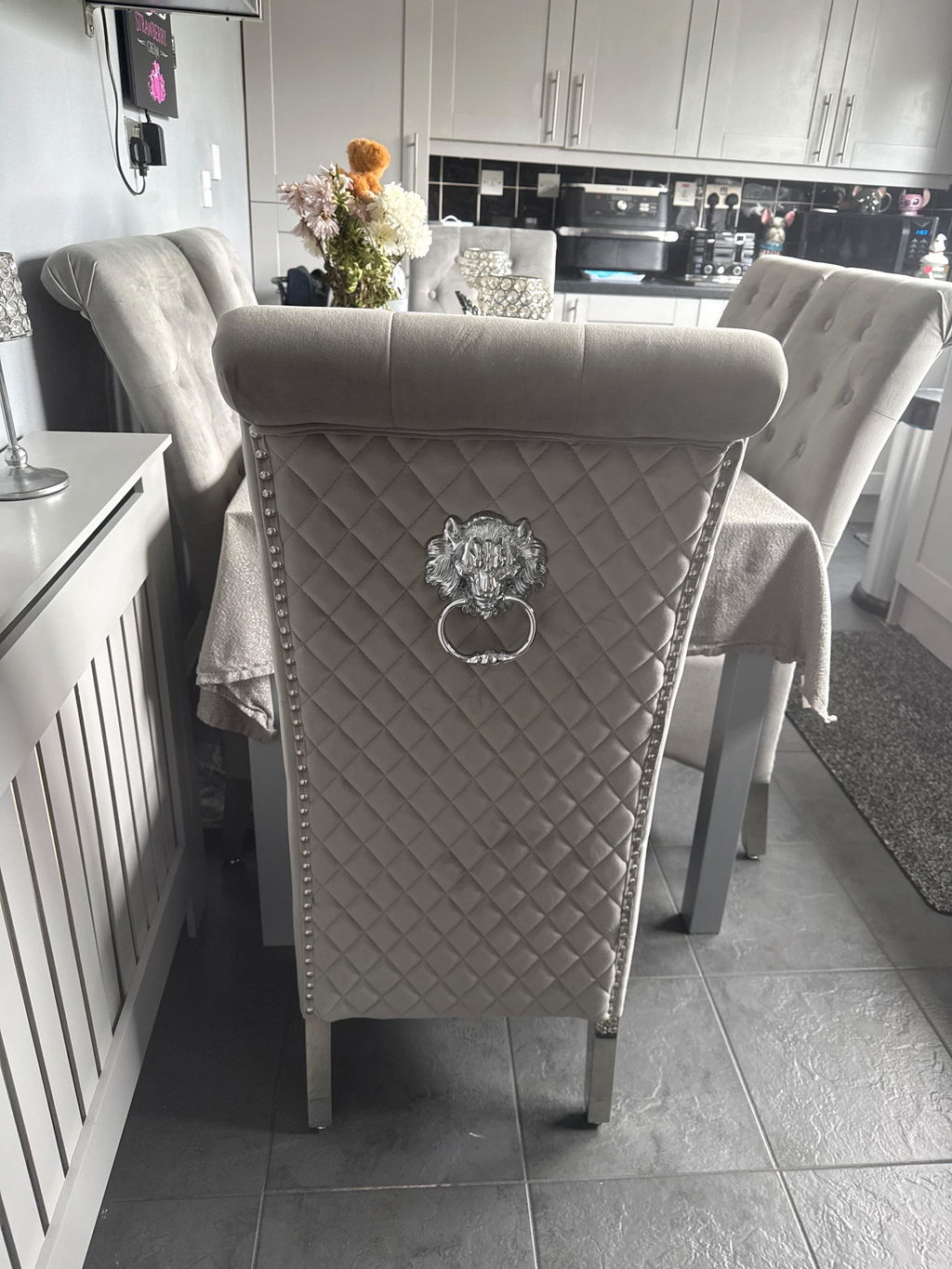
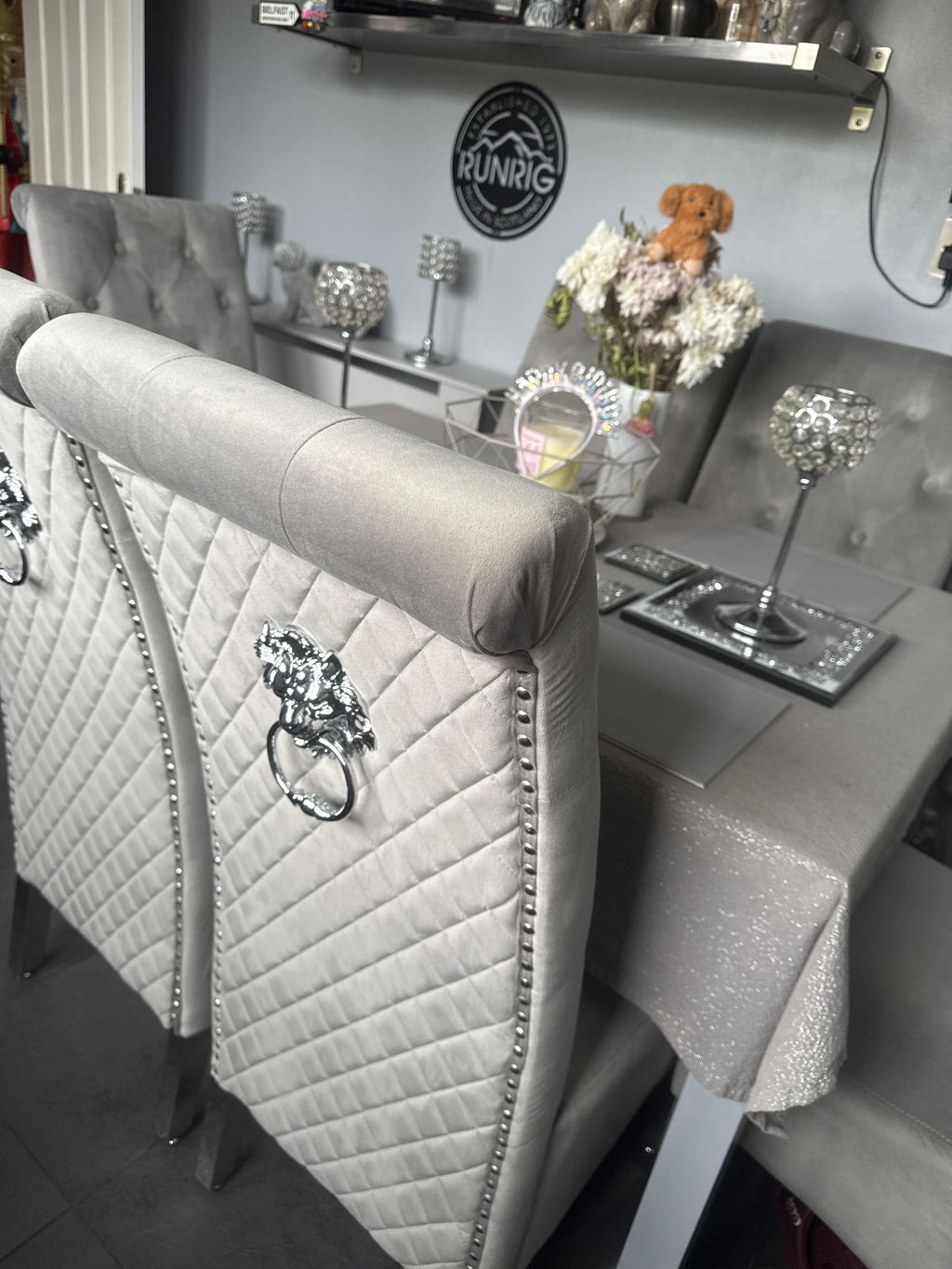
Velvet bar stools in this collection are fully upholstered backed bar stools with a velvet seat and back on a metal frame. The frame and leg finishes span gold, chrome, and other options, and the combination of velvet colour and frame finish defines the character of the stool as completely as either element does independently. A deep navy velvet on a gold frame is a warm and considered combination with genuine occasion to it. A mid-grey velvet on a chrome frame is cleaner and more contemporary. Both are velvet bar stools and both are in the collection, but they belong in different rooms.
Colours across the velvet range cover the deeper and richer tones where velvet earns its place most clearly: navy, forest green, deep grey, and other shades where the pile depth of velvet gives the colour a quality that flat fabric doesn't replicate. Paler velvet options are available in the range, though the pale colour combined with velvet's maintenance demands in a kitchen setting makes them the most considered choice for a household that is realistic about the commitment they represent.
Heights are available to suit both standard counter heights and taller bar or island heights, and getting the height right before you order is the most important practical decision regardless of the fabric. The height section below covers that specifically.
Velvet bar stools in a kitchen setting
The distinction between velvet at a breakfast bar and velvet at a dining table is worth being specific about, because the two contexts make genuinely different demands on the fabric.
A kitchen island or breakfast bar is a working surface in a working kitchen. Steam from cooking reaches it. Cooking smells settle into upholstery nearby. The occasional splash from the sink, the condensation from a cold glass, and the general contact from hands and elbows that comes from being the surface at the centre of kitchen activity all contribute to a more demanding environment for upholstery than a dining chair at a table further from the kitchen typically experiences. Velvet in that setting needs more consistent attention than velvet at a dining table, and the household needs to be honest about whether that level of attention is realistic before committing to it.
The pile questions that apply to velvet dining chairs apply here in full, and then some. Pile disturbance from regular contact is the most frequent maintenance consideration: every time someone sits down, leans against the back, or brushes past the stool, the pile moves and marks become visible. In a kitchen where the stools are in constant use throughout the day, that is a more frequent occurrence than at a dining table used primarily for meals. Brushing the pile regularly with a soft velvet brush restores the appearance and is a quick task when done consistently, but in a household where consistent maintenance is not a realistic expectation, the marks accumulate faster than they would on a plain fabric equivalent.
Spills at a kitchen island are a different category from spills at a dining table. Food and drink spills during meals are one thing, but the kitchen setting also brings water from the sink, cooking liquids that travel unexpectedly, and other contact that doesn't happen at a dining table. On velvet, all of these need prompt attention: blotting rather than rubbing, working in the direction of the pile, and dealing with marks before they set. The proximity to cooking means there are more opportunities for marks to occur than there would be at the dining table, and the same careful cleaning approach is needed each time.
The honest household assessment for velvet bar stools is the same as for velvet dining chairs, with the kitchen context adding a specific additional consideration. A household where the kitchen island is used primarily for considered meals, where the cooking activity is relatively contained, and where someone will give the stools regular attention: velvet works well and the result in the room is impressive. A household where the island is the centre of a very busy working kitchen, children eat breakfast at it every morning, and the stools see constant daily contact from multiple people: a robust fabric in a mid-tone is the more honest recommendation, even if velvet is the preferred look. The velvet dining chairs page covers the velvet maintenance picture in full if you want to understand it in detail before you decide.
Getting the height right
The height decision is the most important practical step for any bar stool, and velvet stools are no exception. Before any other consideration, the seat height needs to work for your specific counter.
Measure from the floor to the underside of your counter, island, or bar top. Subtract 25 to 30cm from that figure and the result is the seat height range to look for. The underside measurement is the one that matters because it determines the leg and thigh clearance for the seated person, not the height of the surface itself.
For a standard kitchen worktop or breakfast bar with an underside typically at around 87 to 88cm, a stool with a seat height of around 60 to 63cm is the right range. For a taller kitchen island or home bar counter with an underside typically at around 100 to 102cm, a stool with a seat height of around 73 to 75cm is right for that height.
Counter heights vary between properties and kitchen fits, and a stool described as counter height by one manufacturer may not suit your specific counter. Measuring takes two minutes and avoids the most common and most frustrating bar stool purchasing mistake. If you'd like to check a specific stool's seat height against your counter measurement before you order, get in touch and we'll give you a straight answer before you commit.
Colours and coordination
Velvet earns its place most clearly in deeper and richer tones, and the colour choice for a velvet bar stool follows the same logic as it does for velvet dining chairs. Deep navy, forest green, rich grey, and jewel tones all benefit from velvet's pile depth in a way that the same colours in flat fabric don't replicate: the directional quality of the pile gives the colour movement and the surface catches light in a way that makes the stool read as a considered and quality piece in the room. These are the tones where velvet bar stools look their best and where the fabric is doing something genuinely worth having.
Paler velvet options, cream and ivory tones, are available and look impressive in the right setting, but the combination of pale colour and the maintenance demands of velvet in a kitchen environment makes them the most demanding option in the collection. For a kitchen-diner where the island sees light and relatively contained use, pale velvet can look genuinely impressive with the right care. For a busy working kitchen, the pale tone combined with velvet's tendency to mark makes them a source of frustration in most households rather than a source of satisfaction.
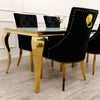
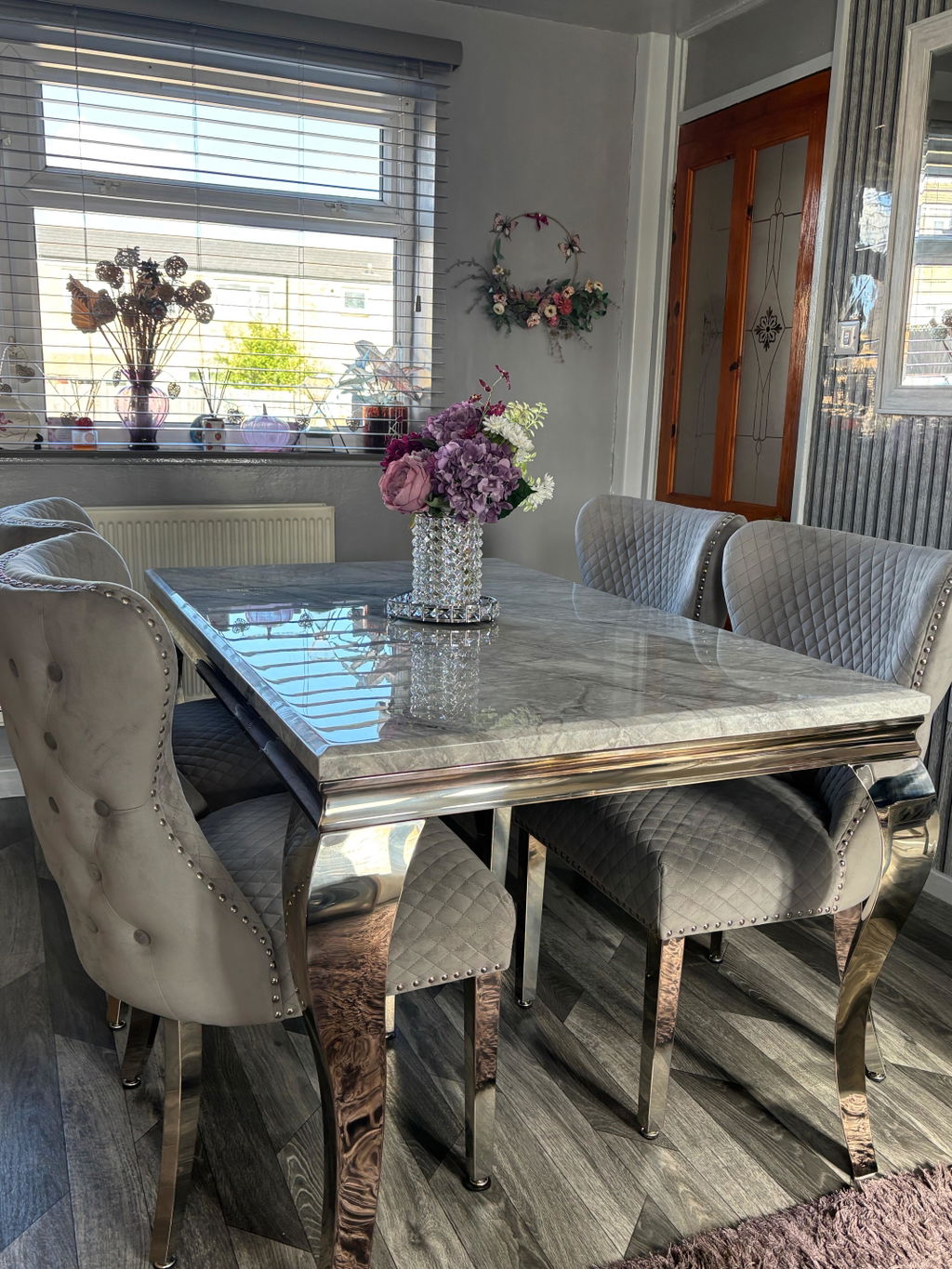
In an open-plan kitchen-diner where velvet bar stools sit in the same room as the dining table and chairs, the coordination between the two pieces is worth thinking about before you order either. The most coherent version of the combination is velvet across both: velvet bar stools at the island and velvet dining chairs at the table, in the same or complementary colours and with the same or complementary frame finish. This gives the open-plan space a consistent material language that reads as intentional and complete. Matching the frame finish between the stools and the chairs, whether gold across both or chrome across both, is the most important element of that coordination: a gold-framed velvet stool alongside gold-framed velvet dining chairs reads as a considered scheme; a gold-framed stool alongside a chrome-framed chair of the same fabric reads as an unconsidered one.
A coordinated rather than exactly matched approach, same frame finish but different fabric colour or same colour but different back style, suits a room where some variety within the scheme is the right approach. The key is that the coordination is deliberate rather than accidental, and that the relationship between the stools and the chairs is visible in the room rather than being something the household hopes no one notices.
If you're also considering knocker bar stools, it is worth looking at both alongside each other before you decide: velvet knocker options are available in the collection and bring the decorative hardware detail of the knocker to a velvet-upholstered stool, which in the right room is a strong combination. The knocker bar stools page covers that specific combination in detail.
Spreading the Cost
Finance is available on many of our bar stools, subject to status. A set of velvet bar stools in a quality fabric and frame finish is a meaningful purchase, particularly when bought alongside velvet dining chairs for a full open-plan scheme, and spreading the cost can make the right combination more accessible. We're happy to talk through the options at any point.
Why buy from Shawcross
We're based in Manchester and our showroom is open if you'd like to see velvet bar stools in person before buying. Velvet is more than usually worth seeing in real light before you commit: the depth and tone of the fabric, the way the pile catches the light in a room rather than on a screen, and the quality of the pile itself are all things that product photography consistently underrepresents. Sitting on the stool at the right counter height, and seeing how the velvet reads alongside the dining chairs and table you're considering for the same room, are both things a showroom visit makes possible in a way that a product page cannot.
We deliver nationally across the UK, and you can contact us at any stage for guidance on colour choice, height, coordination with your dining chairs, or whether velvet is the right fabric for your specific household and kitchen before you order.